


Ophthalmology in General Practice
May 12–13, 2017
David Maggs B.V.Sc.
Diplomate, American College of Veterinary Ophthalmologists
Professor of Ophthalmology
U.C. Davis
Mary B Glaze D.V.M.
Diplomate, American College of Veterinary Ophthalmologists
Gulf Coast Animal Eye Clinic
Houston, Texas
This seminar series is designed to provide you with updates on how the speakers actually do things in practice – how they actually manage a patient with a particular ocular disease or disorder, how they do certain techniques, how they combine certain drugs for treatment etc. Actual cases will be presented to emphasize the clinical indications for the techniques.
Speakers & Topics


Topics available for discussion include:
- My Tonopen drives me crazy. Can you help?
- Which ophthalmoscope should I use?
- How do I manage FHV-1 in multi-cat situations?
- What antiviral drug should I use for FHV-1?
- Does lysine help in cats with FHV-1?
- What’s the best lab test for cats with conjunctivitis?
- Doxycycline or Terramycin for Chlamydia?
- Do cats with corneal sequestra need surgery?
- Are steroids OK for feline eosinophilic keratitis?
- Pannus – Should I use cyclosporine or steroids?
- How do I treat KCS?
- What do I do when cyclosporine doesn’t stimulate tear production?
- Artificial tears – are they all the same?
- How deep is that corneal ulcer?
- What do I do when an ulcer doesn’t heal in 7 days?
- Can I do a grid keratotomy or a burr debridement?
- Walk me through the Hotz-Celsus surgery for entropion
- Should I know another entropion surgery?
- Which cherry-eye surgery is best?
- What are my options for eyelid tumors in old dogs?
- Do animals get allergic conjunctivitis?
- How do I differentiate cataracts from nuclear sclerosis?
- What is the best way to detect uveitis?
- How do I treat uveitis?
- Could this patient have both glaucoma & uveitis?
- How should I treat a patient with both glaucoma & uveitis?
- How do I diagnose Sudden Acquired Retinal Degeneration (SARD)
- What are the best ocular analgesics?
- Does enrofloxacin blind cats?
- Triple antibiotic causes fatal anaphylaxis in cats; right?
- Proptosed globes: replace or remove?
- Uveal cyst or melanoma? How do I tell the difference?
- Corneal lacerations: what 2 questions must I ask and why?
- Which anti-glaucoma medication is best for my patient?
- Feline glaucoma — do I treat it differently than canine glaucoma?
- When do I refer a patient for cataract surgery and what do I do in the meantime?
- How do I treat an infected ulcer?
- How do I make sense of my fundus exam findings?
- How and why should I test tear film break up time?
- Do small animals get fungal ulcers?
- What could this scleral nodule be?
- What’s wrong with a third eyelid flap?
- What is ocular brachycephalic syndrome?
- Can you diagnose hypertensive retinopathy before a cat goes blind?
- Is there a way to prevent diabetic cataracts?
- When is topical serum indicated? Can I use plasma instead?
- Is pannus the only immune mediated corneal disease in dogs?
- What are common signs of ocular lymphosarcoma?
- Is blepharitis an ocular or dermatologic disease?
- How do I manage a lens luxation prior to referral?
- Why does my patient look like Bart Simpson?
- What are common causes of hyphema?
- Is intravitreal injection a reasonable option in end-stage glaucoma?
- How do I differentiate lipid from calcium in the canine cornea?
- How do I manage a corneal foreign body?
- What are common eye problems in the top 3 canine breeds?
- Why is this old dog’s cornea blue?
- How can I help my blind patient – and its family – cope with its disability?
- Can an eye with a perforated ulcer be saved?
- Should I worry about that black spot in a cat’s iris?
- My Tonopen drives me crazy. Can you help?
- Which ophthalmoscope should I use?
- How do I manage FHV-1 in multi-cat situations?
- What antiviral drug should I use for FHV-1?
- Does lysine help in cats with FHV-1?
- What’s the best lab test for cats with conjunctivitis?
- Doxycycline or Terramycin for Chlamydia?
- Do cats with corneal sequestra need surgery?
- Are steroids OK for feline eosinophilic keratitis?
- Pannus – Should I use cyclosporine or steroids?
- How do I treat KCS?
- What do I do when cyclosporine doesn’t stimulate tear production?
- Artificial tears – are they all the same?
- How deep is that corneal ulcer?
- What do I do when an ulcer doesn’t heal in 7 days?
- Can I do a grid keratotomy or a burr debridement?
- Walk me through the Hotz-Celsus surgery for entropion
- Should I know another entropion surgery?
- Which cherry-eye surgery is best?
- What are my options for eyelid tumors in old dogs?
- Do animals get allergic conjunctivitis?
- How do I differentiate cataracts from nuclear sclerosis?
- What is the best way to detect uveitis?
- How do I treat uveitis?
- Could this patient have both glaucoma & uveitis?
- How should I treat a patient with both glaucoma & uveitis?
- How do I diagnose Sudden Acquired Retinal Degeneration (SARD)
- What are the best ocular analgesics?
- Does enrofloxacin blind cats?
- Triple antibiotic causes fatal anaphylaxis in cats; right?
- Proptosed globes: replace or remove?
- Uveal cyst or melanoma? How do I tell the difference?
- Corneal lacerations: what 2 questions must I ask and why?
- Which anti-glaucoma medication is best for my patient?
- Feline glaucoma — do I treat it differently than canine glaucoma?
- When do I refer a patient for cataract surgery and what do I do in the meantime?
- How do I treat an infected ulcer?
- How do I make sense of my fundus exam findings?
- How and why should I test tear film break up time?
- Do small animals get fungal ulcers?
- What could this scleral nodule be?
- What’s wrong with a third eyelid flap?
- What is ocular brachycephalic syndrome?
- Can you diagnose hypertensive retinopathy before a cat goes blind?
- Is there a way to prevent diabetic cataracts?
- When is topical serum indicated? Can I use plasma instead?
- Is pannus the only immune mediated corneal disease in dogs?
- What are common signs of ocular lymphosarcoma?
- Is blepharitis an ocular or dermatologic disease?
- How do I manage a lens luxation prior to referral?
- Why does my patient look like Bart Simpson?
- What are common causes of hyphema?
- Is intravitreal injection a reasonable option in end-stage glaucoma?
- How do I differentiate lipid from calcium in the canine cornea?
- How do I manage a corneal foreign body?
- What are common eye problems in the top 3 canine breeds?
- Why is this old dog’s cornea blue?
- How can I help my blind patient – and its family – cope with its disability?
- Can an eye with a perforated ulcer be saved?
- Should I worry about that black spot in a cat’s iris?
Schedule
| Registration | Friday May 12, 2017 | 7:30 am – 8:00 am |
| Includes breakfast | ||
| Lectures | Friday May 12 | 8:00 am – 5:00 pm |
| Saturday May 13 | 8:00 am – 5:00 pm | |
| Lunch | Daily-included in registration | 12:30 pm – 1:30 pm |
Accommodations

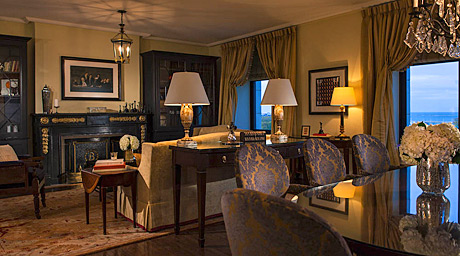
Discover The Blackstone Renaissance, a downtown Chicago luxury hotel near Grant Park. This downtown Chicago hotel has been a favorite of movie stars, sports legends, royalty and presidents since 1910. Thoughtfully restored to its original grandeur, this Michigan Avenue hotel features French Beaux-Arts architecture and over 1,400 contemporary works by local artists.
The Blackstone boasts stunning guest rooms and suites, while Mercat a la Planxa serves modern Catalan cuisine in a unique Mediterranean setting. Host unforgettable affairs inside the magnificent Crystal Ballroom and marvel at 11,396 square feet of lavish meeting space. Located just steps from Chicago’s major attractions including McCormick Place, Grant Park, Soldier Field, Art Institute of Chicago, Field Museum, Millennium Park, Navy Pier and Shedd Aquarium. Welcome to The Legendary Blackstone Renaissance.
Price
Group Standard Rates:
King Room: $229.00/nt + taxes & fees
Additional Fees (all fees & taxes are subject to change without notice):
- State and local taxes are currently 16.4%
- Parking (valet only) is currently $62.00 daily. Self Parking nearby in public lots begins at $25.00 per night
- Pets allowed, non-refundable sanitation fee: $50 USD *contact IVS for availability
Connectivity:
- High Speed: Check email + browse the Web for 12.95USD/day
- Enhanced High Speed: Video chat, download large files + stream video for 16.95USD/day
- Lobby and public areas: Complimentary Wireless
- All extra charges are subject to change
Terms
Check-in: 4:00 PM; Check-out: 12:00 PM
This hotel is 100% smoke-free.
Cancellations: No penalty if you cancel at least 7 days prior to your scheduled arrival. You will be charged for your complete stay if you cancel within 7 days of your scheduled arrival, or are a no-show, or depart early.
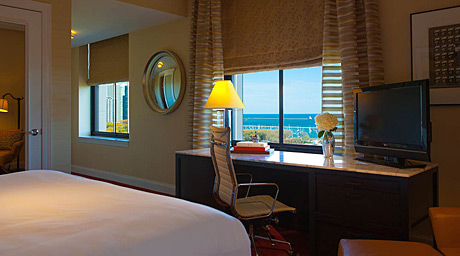
Room Description
Beds and Bedding:
- 1 King – Maximum Occupancy: 3
- 2 Queen – Maximum Occupancey: 4
- Pillowtop mattress, and Duvet
- Rollaway beds permitted in King rooms only.
- Cribs permitted: 1
- Maximum cribs/rollaway beds permitted: 1
Bath and Bathroom Features
- Marble bathroom
- Shower/Tub combination
- Shower
Bathroom amenities (Aveda)
- Hair dryer
- Robe
Furniture and Furnishings
- Chair with ottoman
- Alarm Clock
- Safe, in room
- Desk, writing / work, with ergonomic chair, and electrical outlet
- Iron and ironing board
Food & Beverages
- Room service
- Coffee maker / tea service
- Instant hot water
Kitchen features
- Mini-refrigerator
Things To Do

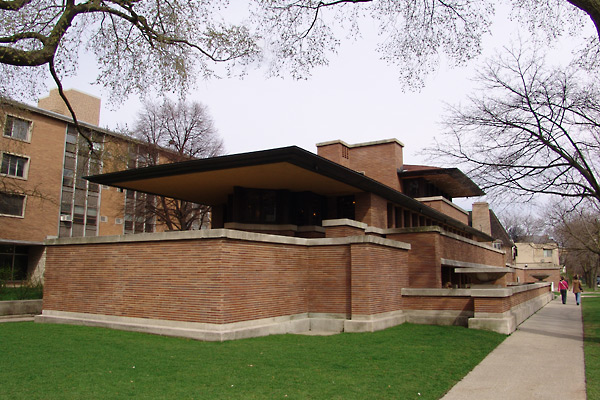
Area Attractions
Top Picks from the Renaissance's Chicago Visitor's Guide
Local Tour Services
Chicago At Sunset Cruise 1-312-337-1446
Hop On Hop Off Tour 1-773-648-5000
Mystic Blue Cruises 1-877-299-7783
River Cruise 1-312-902-1500
Segway on the Lakefront 1-312-663-0600
Need To Know
Registration
Online registration is easy and fast. But please confirm your hotel reservations prior to completing your registration or booking flights. Many Hotels are selling out many months ahead of our seminars. If you need to book a hotel room, click the link to the online hotel registration page. If none is available for your selected seminar, please fill out our hotel request form or contact our office at 800-487-5650. Please note that hotel rooms are not confirmed until you receive confirmation from the hotel (if you booked online thru our group link) or from our office for hotels that do not offer the online link.
IVS is now required by AAVSB RACE to upload your completed attendance into their “RACEtrack” system. Your state of license and your license number are required for all seminars starting in January 2022. More information is available at https://www.aavsb.org/ce-
For International Travel
Passport requirements for international travel
Please note that all passengers traveling by air to or from the United States will be required to hold a valid passport. This requirement applies to all passengers, including U.S. citizens, traveling to and from Canada, Mexico, Bermuda, and the Caribbean.
When planning international travel, please be sure that you are in possession of all required documents for both outbound and return flights. Remember to allow ample time for acquiring official travel documents.
For complete information on the U.S. Department of State’s New Travel Initiative Requirements, please visit travel.state.gov.
Global Vet Community Meets CE Experiences
IVS trips are designed to meet your CE requirements while offering a break from traditional, conference-style learning. With focused half-day sessions, small-group learning, and destinations worth the journey, IVS creates close-knit communities where education feels both engaging and rewarding.

Earn Your CE Credits
IVS makes it easy — and worth the trip — to keep your CE hours current. Each trip includes 12–18 CE credit hours, along with access to a dedicated portal where certificates and trip details are easy to find when you need them.

Explore the World
Choose from 50+ destinations worldwide, including classic travel locations and Bio Bio adventure trips. No matter the setting, IVS seminars are structured to support focused learning in an environment that feels immersive — not overwhelming.

Connect With Your Community
IVS brings together veterinarians, veterinary technicians, and leading specialists in intentionally small groups. Designed for shared experience and meaningful discussion, these seminars foster professional connections that last well beyond your trip.

Get More from Every Trip
With points earned for every trip you attend, bonuses for referring friends, and a convenient user portal for tracking and seminar details, IVS makes earning your CE credits even more rewarding.
Postcards from Our Trips
From close to home to destinations abroad, hear what veterinary professionals are saying about their IVS experience.

The speakers were excellent, as were the accommodations. I love coming to IVS Seminars.”

I enjoyed this conference VERY much! The speakers were engaging and superb. I had a surgery day this past Tuesday and have implemented several of their pearls of knowledge!”

The trip was just perfect! My husband and I loved every minute.”

Thank you for a great conference! This was my first IVS experience, and it was great. … I’m hoping to arrange a trip for my vet school friends (11 of us total) in the future.”

I enjoyed the seminar. IVS [is] still the best CE in my opinion. Great venue also.”

Thank you for putting on a fantastic program in Cabo!”

Thank you. I always enjoy the CE experience IVS provides.”
Good to Know Before You Go
Registration is simple. Browse upcoming seminars using the search on our homepage, then click through to the seminar page and complete registration online. You will receive an email confirmation once your registration is complete, and a separate email confirming your payment. Please keep both for your records. You can also call our office at 1-800-487-5650 to register by phone.
IVS holds group space at each seminar venue and handles hotel bookings on your behalf. You can book accommodations at the same time as your seminar registration or separately — whichever you prefer.
On your selected seminar’s page, click the Accommodations tab and scroll down to the Book Accommodations button. Please note: if you need a room outside the standard seminar dates, availability will need to be confirmed with the hotel. Hotel bookings made through our site are not automatic and require some processing time. Once confirmed, you will receive a hotel confirmation letter from IVS by email. All hotels require a credit card to guarantee your booking, and cut-off dates apply — early registration is always advised. Our team is available at 1-800-487-5650, Monday–Friday, 9am–5pm PST.
10% of the registration fee is non-refundable. If you cancel more than 30 days before the seminar start date, you may choose a refund of the remaining 90% or a Future Transfer Credit (FTC). If you cancel within 30 days, only a Future Transfer Credit is issued. The FTC can be applied to any future IVS seminar within 2 years of your cancellation date; it is forfeited if not used within that window. To cancel, you must contact our office and receive email confirmation of your cancellation before the seminar begins. Cancellations requested after the seminar has started, or without email confirmation on file, will forfeit the full registration fee. Please also note that cancellations will remove any Loyalty Program points earned from that registration.
IVS specializes in small group seminars — usually fewer than 80 people per seminar. Most veterinarians appreciate the smaller setting, as it allows for more interaction with speakers and other participants and gives everyone a chance to get their questions answered.
International Veterinary Seminars is an AAVSB RACE-approved provider of CE, which is accepted by all state boards throughout the US and Canada. We are provider #13 and are also an approved provider in New York State. Please contact your state board or our office with any questions. For more information, visit the AAVSB RACE program website.
Where will your learning take you?
Discover a different way to earn your veterinary CE. Explore upcoming trips to find an IVS seminar set in a destination you’ll want to stay awhile.